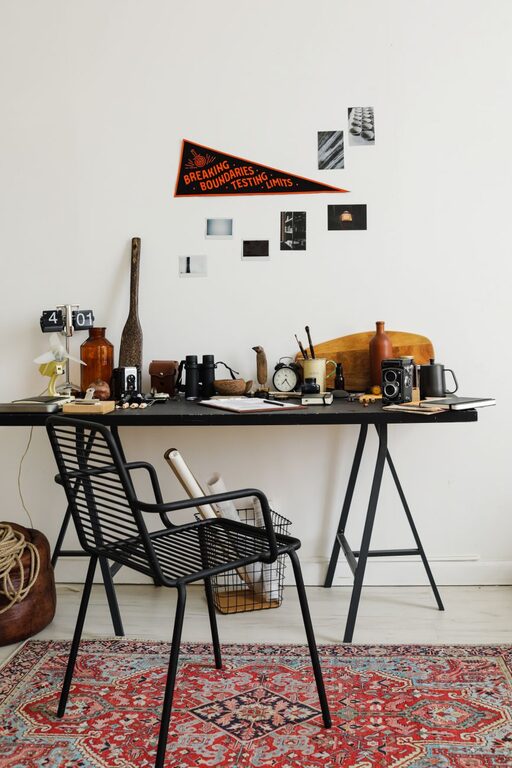
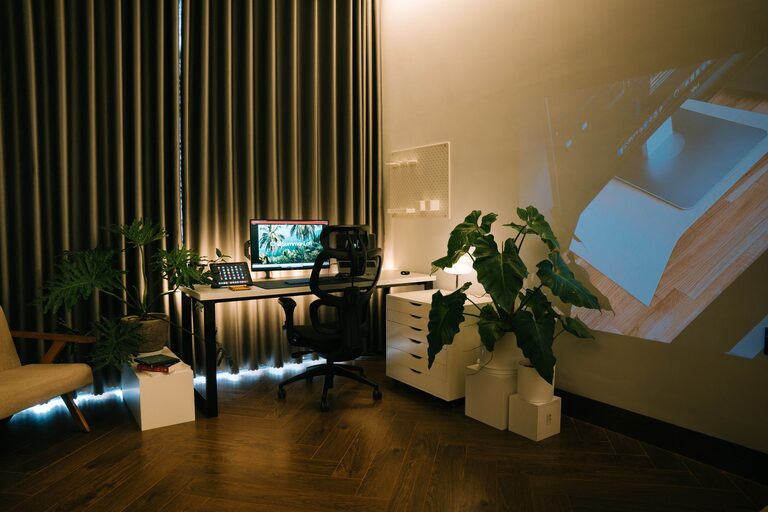
Creating a relaxing home workspace is essential for maintaining focus, reducing stress, and improving overall productivity. Whether you work remotely full-time or occasionally bring work home, your environment can significantly impact your work experience. In this post, we’ll explore practical steps to help you design a calm, comfortable, and inviting workspace right at home.
Why a Relaxing Workspace Matters
Your work environment plays a big role in how productive and motivated you feel throughout the day. A cluttered or noisy space can cause distractions and increase stress levels, while a well-planned, relaxing workspace promotes concentration and creativity. Designing your workspace with relaxation in mind helps you stay energized and balanced, making work tasks feel less overwhelming.
Step 1: Choose the Right Location
Finding a dedicated spot for your workspace is the first step in creating a relaxing environment.
– Select a quiet area: Choose a space away from household noise or distractions.
– Natural light: Position your desk near a window if possible. Natural light boosts mood and alertness.
– Separate from living spaces: Avoid setting up in high-traffic or leisure areas like the living room or bedroom, if you can.
Step 2: Invest in Comfortable Furniture
Comfort is key when setting up your workspace.
– Ergonomic chair: Choose a chair that supports your back and encourages good posture.
– Proper desk height: Ensure your desk is the right height to keep your arms and wrists comfortable.
– Adjustable options: Consider adjustable desks or chairs to switch between sitting and standing.
Step 3: Organize and Declutter
A tidy workspace helps create a calm atmosphere and keeps you focused.
– Use storage solutions: Shelves, drawers, and organizers keep supplies neat and accessible.
– Minimal desk items: Keep only essential items on your desk to avoid distraction.
– Cable management: Use clips or sleeves to keep cords out of sight.
Step 4: Add Soothing Elements
Personalize your workspace with items that promote relaxation.
– Plants: Indoor plants improve air quality and add a touch of nature.
– Soft lighting: Use warm desk lamps or string lights instead of harsh overhead lighting.
– Calming colors: Choose soft colors for walls, accessories, or decorations, like blues, greens, or neutrals.
Step 5: Control Noise and Distractions
Maintaining focus requires minimizing noise and interruptions.
– Noise-cancelling headphones: Use these to block out distracting sounds.
– Background music: Play gentle instrumental music or ambient sounds to enhance concentration.
– Set boundaries: Communicate your work schedule to family or roommates to minimize interruptions.
Step 6: Keep Essentials Within Reach
Efficient access to frequently used items keeps your workflow smooth.
– Desk organizers: Keep pens, notebooks, and other tools neatly arranged.
– Tech setup: Position your computer, keyboard, and mouse comfortably and within easy reach.
– Hydration and snacks: Keep a water bottle and healthy snacks nearby to stay refreshed.
Step 7: Make Time for Breaks and Movement
Even the best workspace won’t help if you don’t take care of yourself during the workday.
– Scheduled breaks: Set timers to remind yourself to step away from the screen.
– Stretching or walking: Regular movement reduces tension and keeps your mind sharp.
– Relaxation activities: Use short meditation or breathing exercises to reduce stress.
Final Tips for Maintaining Your Workspace
– Daily clean-up: Spend a few minutes tidying your desk at the end of each day.
– Regular updates: Refresh your workspace layout or decor periodically to keep it inspiring.
– Personal touch: Add items that make you happy, like photos or motivational quotes, but keep it simple.
—
Designing a relaxing home workspace is about creating an environment that supports your work habits and wellbeing. By choosing the right location, investing in comfortable furniture, minimizing distractions, and adding soothing touches, you can transform your work area into a place where focus and calm come naturally. Start small and adjust as you learn what helps you feel most relaxed and productive. Your work-from-home experience will thank you!
About the Author