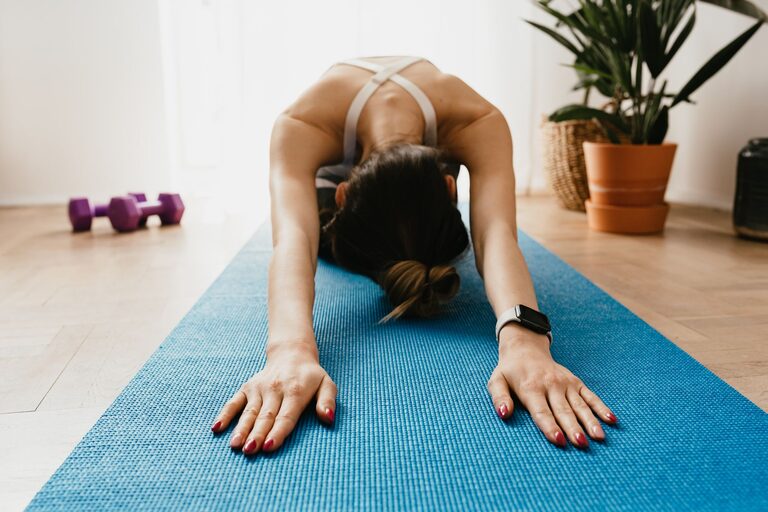
Stretching is an essential part of maintaining a healthy body, yet many people overlook it in their daily routine. Whether you’re aiming to increase flexibility, relieve muscle tension, or simply move more comfortably, stretching at home is a simple and accessible way to improve your physical health. This beginner’s guide will walk you through everything you need to get started, including the benefits, techniques, and a sample routine you can follow today.
Why Stretch at Home?
Stretching provides numerous benefits that contribute to your overall well-being:
– Improves flexibility and range of motion: Regular stretching helps lengthen muscles and tendons, allowing your joints to move more freely.
– Enhances posture: Stretching tight muscles can correct imbalances and promote better alignment.
– Relieves stress and tension: Gentle stretches can calm the nervous system and reduce feelings of stiffness and discomfort.
– Prevents injuries: Flexible muscles are less prone to strains and sprains, especially when combined with regular physical activity.
– Boosts circulation: Stretching improves blood flow to muscles, which may speed up recovery and reduce soreness.
With these advantages in mind, establishing a regular stretching practice at home can be a valuable addition to your lifestyle.
Getting Started: What You Need
You don’t need fancy equipment or a gym membership to start stretching at home. Here’s what you’ll need:
– Comfortable clothing: Wear loose or stretchy clothes that allow you to move freely.
– A safe space: Find a clean, flat area where you have enough room to stretch without obstacles.
– A mat or towel: This can provide cushioning for stretches done on the floor.
– Water bottle: Staying hydrated supports muscle health.
Remember, your goal is to feel good during and after stretching, so make sure the environment is comfortable and distraction-free.
Stretching Basics
Before jumping into specific stretches, keep these key points in mind:
– Warm up first: Stretching cold muscles can lead to injury. Take 3–5 minutes to do light activity such as walking in place or gentle arm circles.
– Stretch both sides: Always stretch both the left and right sides to maintain balance.
– Hold steady: Hold each stretch for 15 to 30 seconds without bouncing.
– Breathe deeply: Inhale and exhale slowly, helping your body relax.
– Avoid pain: Stretch to a point of mild tension, not pain. If you feel pain, ease off.
Types of Stretches
Two main types of stretching are best suited for beginners:
Static Stretching
This involves holding a stretch position for a period of time. It’s excellent for cooling down after exercise or for gentle flexibility work.
Dynamic Stretching
Dynamic stretches involve moving parts of your body through a full range of motion. These are great warm-up exercises to prepare your muscles for activity.
For beginners practicing at home, focusing mostly on static stretches is a safe and effective choice.
Essential Beginner Stretches to Try at Home
Here are some simple stretches you can incorporate into your daily routine. Perform each 2–3 times per session.
1. Neck Stretch
– Sit or stand tall.
– Slowly tilt your head to the right, bringing your ear toward your shoulder.
– Hold for 20 seconds, then switch sides.
2. Shoulder Stretch
– Bring your right arm across your chest.
– Use your left hand to gently press your arm closer to your chest.
– Hold for 20 seconds, then switch arms.
3. Chest Opener
– Clasp your hands behind your back.
– Straighten your arms and gently lift your chest while squeezing your shoulder blades together.
– Hold for 20 seconds.
4. Cat-Cow Stretch (for spine mobility)
– Get on all fours with wrists under shoulders and knees under hips.
– Inhale, arch your back (cow), lifting head and tailbone.
– Exhale, round your spine (cat), tucking chin and tailbone.
– Repeat 5 times.
5. Seated Forward Bend
– Sit on the floor with legs extended straight.
– Slowly bend forward from your hips, reaching toward your toes.
– Keep your back straight and hold for 30 seconds.
6. Quadriceps Stretch
– Stand on your left leg.
– Bend your right knee, bringing your heel toward your buttocks.
– Hold your ankle with your right hand to stretch the front thigh.
– Hold for 20 seconds, then switch sides.
7. Hamstring Stretch
– Sit on the floor with your right leg extended and your left leg bent with the foot against your right inner thigh.
– Lean forward gently toward your right foot.
– Hold for 30 seconds, then switch legs.
8. Calf Stretch
– Stand facing a wall.
– Place hands on the wall at shoulder height.
– Step your right leg back, keeping the heel on the ground.
– Lean forward slightly to stretch the calf.
– Hold for 20 seconds, switch legs.
Tips for Success
– Consistency is key: Aim to stretch at least 3–4 times a week.
– Listen to your body: Progress gradually and be patient with yourself.
– Make it enjoyable: Play calming music or stretch while watching TV to build a habit.
– Track progress: Notice improvements in flexibility or reduced muscle tightness.
When to Be Careful
If you have any injuries, chronic pain, or health conditions, consult a healthcare provider before starting a new stretching routine. Always avoid forcing a stretch if it causes sharp pain or discomfort.
Conclusion
Stretching at home is an easy, low-cost way to take better care of your body. By dedicating just a few minutes a day to gentle stretches, you can enhance flexibility, ease muscle tension, and promote relaxation. Use this beginner’s guide to create a simple stretching routine that fits your lifestyle and enjoy the benefits of a more flexible, comfortable you.
Happy stretching!
About the Author